Informing Today, Inspiring Tomorrow

Informing Today, Inspiring Tomorrow
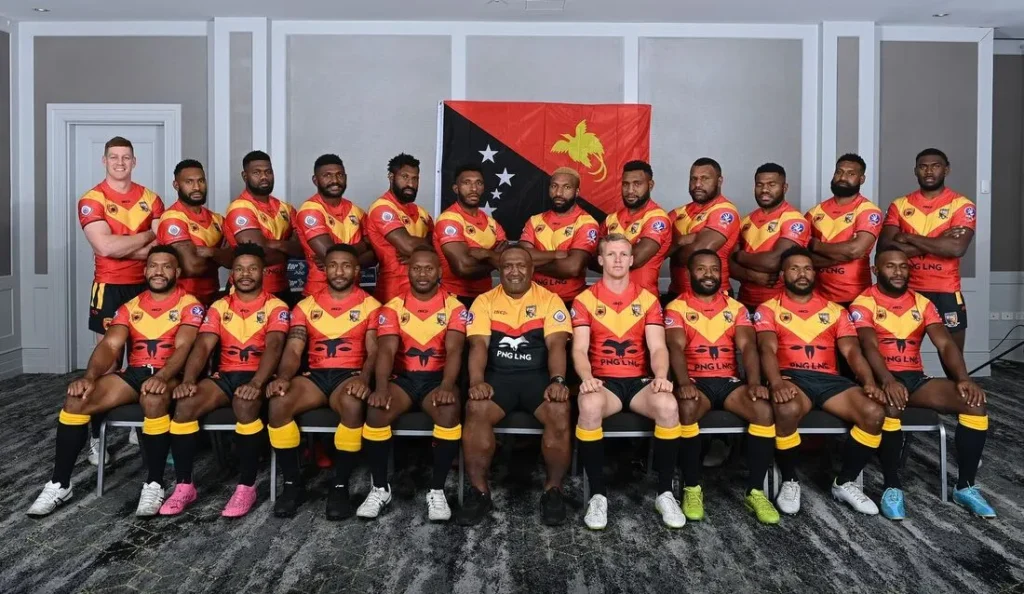
Source: PINA
PNG’s NRL Dream: What a Professional Team in 2028 Means for a Rugby League Nation
For Papua New Guinea, rugby league has never been just a sport. It is a shared language in a country of more than 800 languages, a unifying force across mountains, islands and cities. In 2028, that passion will reach its highest stage yet, when PNG fields its first fully professional team in Australia’s National Rugby League competition.
The entry of a PNG-based club into the NRL is more than a sporting milestone. It represents nation-building, economic opportunity, global visibility and a powerful statement of identity. For the first time, PNG will compete weekly in the world’s toughest rugby league competition, not as visitors or underdogs, but as a permanent member of the elite.
A National Moment
Rugby league is deeply woven into PNG’s social fabric. From dusty village fields to packed stadiums in Port Moresby, the game has long been the country’s heartbeat. A PNG NRL team gives that passion a professional home and a pathway that young players can see, believe in and aspire towards.
For the nation, it also places PNG on a global sporting stage every weekend. NRL broadcasts reach millions of viewers across Australia, New Zealand, the Pacific and beyond. Each match played by the PNG team will carry the country’s name, culture and flag into homes around the world.
This is soft power of the strongest kind.
What It Takes to Run a Professional NRL Club
Competing in the NRL is not simply about assembling a squad. It requires a professional ecosystem built to world-class standards.
Facilities are the foundation. PNG will need a high-performance training centre that includes full-sized training fields, a modern gym, recovery pools, ice baths, rehabilitation areas and sports science laboratories. Secure accommodation for players and staff, particularly those relocating from Australia and Europe, will be essential, along with safe transport and logistics systems.
Medical and sports science support is critical in modern rugby league. A professional PNG club will require full-time doctors, physiotherapists, sports scientists, strength and conditioning coaches, dietitians and mental health professionals. Injury prevention, player welfare and recovery are as important as on-field performance.
Coaching and expertise will define the team’s culture. A head coach with NRL experience, supported by assistant coaches, defensive and attacking specialists, video analysts and development coaches, is non-negotiable. PNG’s own coaching talent must be integrated and developed alongside experienced Australian staff to ensure knowledge transfer and long-term sustainability.
Administration and governance matter just as much. Running an NRL club involves CEO-level leadership, football operations managers, compliance officers, commercial managers, media teams and community engagement staff. Transparency, professionalism and strong governance will be vital to earning trust from the NRL, sponsors and fans.
Building Pathways, Not Just a Team
One of the most important legacies of the PNG NRL team will be the development pathways it creates. Investment in junior competitions, school programs and elite academies across PNG will ensure that local talent is identified and nurtured early.
PNG has always produced natural rugby league athletes. What has been missing is consistent access to elite coaching, nutrition, education and competition. The NRL team becomes the peak of a pyramid that lifts standards throughout the country.
This will not only benefit elite players, but also referees, trainers, administrators and support staff.
The Commercial Engine: Sponsors and Partners
A professional NRL club cannot survive on passion alone. Major sponsorship and commercial partnerships will be essential.
The PNG team will need:
- A naming-rights sponsor
- Major jersey and apparel partners
- Corporate hospitality partners
- Travel, logistics and accommodation partners
- Broadcast, digital and media sponsors
- Grassroots and community program backers
For sponsors, the appeal is unique. Rugby league in PNG delivers unmatched engagement. A corporate partner aligns not just with a team, but with a nation. The emotional connection between fans and the PNG team will be one of the strongest in world sport.
Government support, combined with Australian backing, provides stability in the early years, but long-term success will depend on a strong commercial model.
A Competitive but Realistic Playing Roster
Building an inaugural squad is one of the most complex tasks. The goal will be balance: experienced NRL players, emerging talent and PNG stars who understand what it means to wear the jersey.
A realistic inaugural squad could include local and PNG-eligible talent, including PNG Super League players currently contracted to Super League teams. However, all will depend on their contracts, will to commit, fitness and game level, and their age in 2028.
Some of the PNG players currently playing in the UK for Super League teams and some will be joining new clubs for the 2026 season include:
- Edwin Ipape – Leigh Leopards
- Rhyse Martin – Hull KR
- Lachlan Lam – Leigh Leopards
- Roderick Tai – Warrington Wolves (Salford Red Devils)
- Dan Russell – Warrington Wolves (Bradford Bulls)
- Liam Horne – Castleford Tigers (Leigh Leopards)
- Jeremiah Simbiken – Castleford Tigers (London Broncos)
- Nene Macdonald – Salford Red Devils (St Helens)
Finley Gare, Gairo Voro, Morea Morea, Robert Mathias and Epel Kapinias are all at the London Broncos playing in the Betfred Championship.
Established PNG NRL players, current PNG Kumuls and played in the 2025 season, include:
- Alex Johnston – South Sydney Rabbitohs
- Xavier Coates – Melbourne Storm
- Zac Laybutt – North Queensland Cowboys
- Robert Derby – North Queensland Cowboys
- Jack de Belin – St George Illawarra Dragons
- Jacob Alick-Wiencke – Gold Coast Titans (Joining Leigh Leopards)
With a few others featuring in the NRL, selecting second- and third-tier players playing overseas in England and Australia, including SP Hunters players, will become less common as the PNG NRL franchise prepares to enter the competition in 2028.
Looking for Players Within the Melanesian Region
PNG’s entry also opens the door for wider Melanesian representation. Players of Pacific heritage have long enriched the NRL, and the PNG team could become a natural home for that talent.
Speculative targets could include:
- Melanesian players with size and strength in the forward pack
- Emerging forwards from Queensland Cup systems
- Young Pacific prospects developed through established pathways
Recruitment will need to consider not just ability, but adaptability, resilience and willingness to embrace life in Port Moresby.
Viliame Kikau would be an ideal choice as a marquee player invited to guide younger players. Standing at 1.95 metres and weighing approximately 116 kilograms, he currently plays for the Canterbury-Bankstown Bulldogs and the Fiji national rugby league team, and previously played for the Penrith Panthers. Kikau plays in the back row but has the ability to shift into the backline, break the defensive line and beat defenders in one-on-one situations. He is currently contracted to the Bulldogs on an AUD $800,000 deal and has reportedly re-signed through to the 2028 season.
The Chiefs could also look beyond PNG nationals and explore talent within the wider Melanesian region. This may include considering high-profile rugby union players such as Fiji stars Jiuta Wainiqalo of Lyon and Josua Tuisova of Racing 92, both currently playing in France’s Top 14 competition.
Wainiqalo, nicknamed “The Ferrari,” is renowned for his lightning speed, elusive footwork and ability to beat multiple defenders in full flight, with a running style reminiscent of former Canberra Raiders great Brett Mullins. Tuisova, known as “The Bus,” brings raw power and strength, capable of running through defenders and consistently dragging opponents with him in attack, drawing comparisons to Australian legend Mal Meninga.
However, while their talent is unquestioned, both players are established stars in European rugby and command significant salaries, making any potential recruitment a considerable challenge.
Beyond the Field
The impact of an NRL team extends well beyond wins and losses. Match days will stimulate local economies. Hospitality, transport, media and tourism sectors will benefit. Young people will see new career pathways in sport and related industries.
Most importantly, the team will unite the nation. In a country of extraordinary diversity, few things bring people together like rugby league.
A Defining Step Forward
PNG’s entry into the NRL in 2028 is bold, ambitious and historic. It will demand investment, professionalism and patience. Success will not come overnight. But the rewards, culturally, economically and socially, are immense.
For Papua New Guinea, this is not just about joining a competition. It is about claiming a rightful place on the world stage in a sport the nation lives and breathes.
When the team runs out for its first NRL match in 2028, it will not represent just a club. It will represent a people, a passion and a proud rugby league nation.