Informing Today, Inspiring Tomorrow

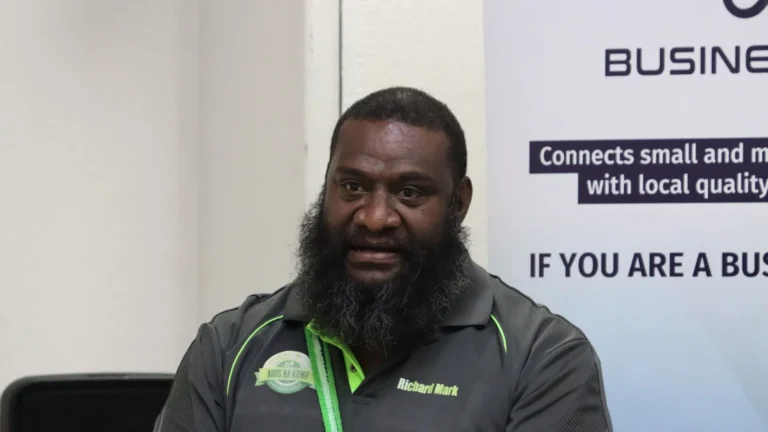
 Interview: Founder, Richard Mark
Business Origins and Purpose
When did the business start, and what gap in the market were you trying to fill?
Abus Na Kumu started in 2019, operating from a home kitchen. The gap we identified was the lack of affordable, reliable, and culturally authentic catering and food services that could serve both everyday customers and organised events while maintaining consistent quality and hygiene standards.
What products or services do you offer, and who are your main customers today?
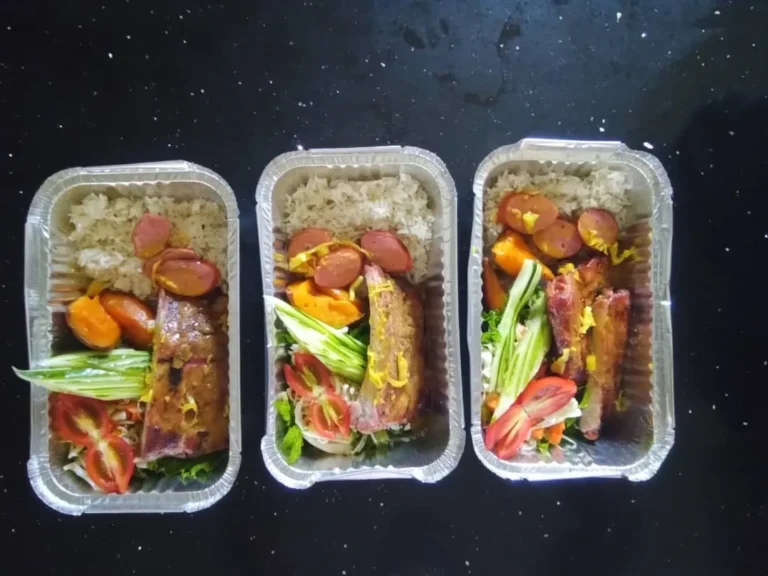
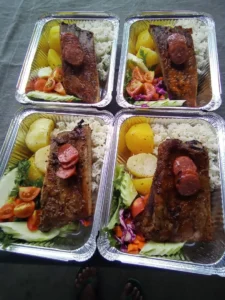
We provide catering services, event food services, lunch and dinner options, and food delivery. Our customers include corporates, NGOs, churches, schools, community groups, the general public, and private clients for events and functions.
How were the business initially financed, and what challenges did you face in the early stages?
The business was initially self-funded, using personal savings and small reinvestments from daily sales. Early challenges included limited capital, access to equipment, compliance costs, and building trust and brand recognition in a competitive market.
 Performance and Milestones
How has the business performed over the past two to three years?
Over the past two to three years, Abus Na Kumu has shown steady growth, moving from a home-based operation to a fully established restaurant and catering business, supported by formal training, mentorship, and improved systems.
What has been your biggest achievement so far?
Our biggest achievement has been opening a physical restaurant in January 2024, securing bank funding, and successfully transitioning from an informal setup to a structured SME with staff, systems, and compliance in place.
 Access to Finance
How easy or difficult is it for small businesses like yours to access finance or credit?
Access to finance remains challenging, particularly for SMEs without significant collateral. While support exists, the terms, interest rates, and upfront requirements can be restrictive for growing businesses.
Policy and Regulatory Environment
What government policies or reforms would make the biggest difference to SMEs?
Policies that would help most include lower SME tax burdens, simplified licensing processes, better access to concessional loans, skills training support, and incentives for local sourcing and employment.
 Community and Economic Impact
How does your business contribute to the local economy or community?
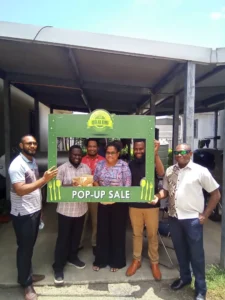
Abus Na Kumu contributes by creating jobs, supporting local suppliers, mentoring young people, providing training opportunities, and supporting community and church events.
Leadership and Decision-Making
What has been the toughest decision you have had to make as a business owner?
The toughest decisions have involved managing cash flow during difficult periods, making staffing decisions, and choosing long-term sustainability over short-term profit.
Advice for Future Entrepreneurs
What advice would you give to young people who want to start their own business?
Start small, stay disciplined, seek mentorship, reinvest profits, be patient, and understand that consistency and integrity matter more than quick success.
 Is there anything else you would like to add to this interview?
Abus Na Kumu’s journey shows that with resilience, training, and support, local SMEs can grow sustainably. Supporting small businesses is not just about profit, it’s about building families, communities, and national economic strength.
Thank you so much for the opportunity. I hope these responses can help inspire many people to get into small business and give it all they’ve got.