Informing Today, Inspiring Tomorrow

Informing Today, Inspiring Tomorrow
Source: Kindel Media, Pexels
Diving: A Journey into One of the World’s Last Untouched Underwater Frontiers
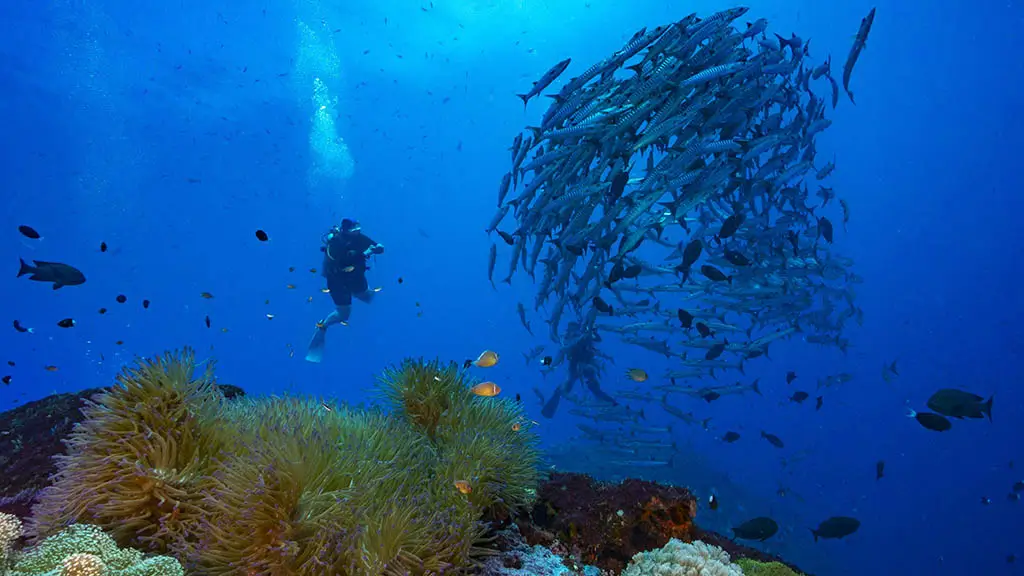
Papua New Guinea is often described as one of the final frontiers of global scuba diving. Sitting at the heart of the Coral Triangle, the country offers an underwater world that is as wild, colourful and diverse as its landscapes above the surface. For divers seeking pristine reefs, dramatic scenery and vibrant soft corals untouched by mass tourism, PNG stands in a class of its own.
Unlike many well-known dive destinations, Papua New Guinea remains largely uncrowded. Its scattered islands, limited access and low visitor numbers mean divers often explore sites where they are the only group in the water. This sense of exclusivity, combined with extraordinary marine biodiversity, has earned PNG a reputation among experienced divers as one of the world’s most rewarding dive destinations.
A Paradise of Colour and Life
PNG’s reefs are famous for their soft corals, which flourish in nutrient-rich currents and create spectacular underwater gardens. Bright pinks, purples, reds and oranges blanket reef walls and seamounts, swaying gently in the flow. These scenes provide some of the most striking wide-angle photography opportunities in the Pacific.
At the same time, PNG is equally celebrated for its macro life. Frogfish, seahorses, nudibranchs, pipefish and countless crustaceans inhabit the reefs and black-sand slopes, making the country a dream destination for underwater photographers. Add to this the presence of sharks, turtles, rays and large pelagic fish, and PNG offers a rare balance between big-animal encounters and intricate marine detail.
Kimbe Bay: The Crown Jewel of Soft Coral Diving
Kimbe Bay, located off New Britain Island, is widely regarded as one of the world’s finest dive regions. Designated as a Marine Protected Area, the bay is renowned for its healthy reefs, steep walls and coral-covered seamounts.
Divers in Kimbe Bay are treated to dense soft coral displays, large sea fans and thriving fish populations. Sites such as Father’s Reef and South Emma regularly attract reef sharks, barracuda and schooling fish, while Susan’s Reef is famous for its colourful coral gardens and dramatic wide-angle scenery. The nearby Witu Islands add further diversity, with strong currents that support abundant marine life and vibrant coral growth.
Kavieng: Currents, Action and Big Fish
At the northern tip of New Ireland, Kavieng offers a more energetic style of diving. Strong tidal currents sweep through passages and channels, creating ideal conditions for soft corals, sponges and fans to thrive.
Kavieng is best known for action-packed dives featuring grey reef sharks, dog-tooth tuna, Spanish mackerel and barracuda. Albatross Passage, the region’s signature site, is considered one of the best drift dives in the Pacific, combining big fish encounters with impressive coral-covered walls.
Milne Bay: From Muck to Majestic Reefs
Milne Bay, located at the eastern tip of the mainland, is often described as PNG’s most diverse dive region. It is internationally recognised as the birthplace of muck diving, with shallow sites rich in rare and unusual critters.
Beyond the muck, Milne Bay also delivers stunning reef scenery. Sloping coral gardens, dramatic walls and isolated pinnacles host a wide range of fish life, while manta rays, sharks and pelagics move through the bay at certain times of the year. Sites such as Lauadi and Dinah’s Beach uniquely combine muck, reef and wall diving in a single dive.
Tufi: Where Mountains Meet the Sea
Tufi, in Oro Province, offers one of the most visually striking dive settings in the Pacific. Often described as tropical fjords, the steep volcanic inlets are surrounded by lush rainforest and waterfalls that plunge into the sea.
Below the surface, divers encounter healthy reefs, walls and macro-rich sites. The mix of coral diving and critter hunting makes Tufi ideal for divers seeking both scenery and detail, while the isolation of the area adds to its appeal as a true escape destination.
Diving Near Port Moresby
For visitors arriving through Port Moresby, nearby sites such as Bootless Bay and Loloata Island provide surprisingly good diving close to the capital. These sites offer a mix of coral reefs, fish life and occasional large species, making them a convenient option for short stays or introductory dives in PNG.
Best Time to Dive
Papua New Guinea offers year-round diving, with conditions varying by region. Generally, the dry season between May and November provides the calmest conditions in many areas, while regions such as Milne Bay are best from October to March. Water temperatures are warm throughout the year, and visibility commonly ranges from 20 to 40 metres.
Why PNG Stands Apart
What truly sets Papua New Guinea apart is not just the quality of its diving, but the experience surrounding it. Remote resorts, small dive groups and community-led marine stewardship ensure reefs remain healthy and protected. Many dive operators work closely with local communities, creating a strong sense of environmental responsibility and cultural connection.
For divers seeking soft coral displays, dramatic underwater scenery and a sense of discovery that has disappeared from many parts of the world, Papua New Guinea remains one of the planet’s most extraordinary destinations.
In PNG, every dive feels like an exploration, and every descent reveals a world that few have seen.